Poison Bear Druid Guide in Diablo 4 Season 10

With Diablo 4’s Season 10 rolling out, players are looking for fresh, powerful builds to take on the game’s many challenges. The Poison Bear Druid, in particular, has been gaining attention for its unique synergy between shapeshifting, poison damage, and Druid-specific skills. This build offers a dynamic playstyle that focuses on applying poison damage over time while utilizing the ferocity of the Werebear form to deliver devastating attacks. In this guide, we’ll cover everything you need to know to make the most out of the Poison Bear Druid in Diablo 4’s Season 10. Understanding this article will help you make better use of your Diablo 4 Gold and other resources.

Why Choose Poison Bear Druid?

The Druid class in Diablo 4 offers a wide variety of builds, from elemental spellcasters to shape-shifting berserkers. The Poison Bear Druid stands out due to its hybrid nature. It combines the tanky, high-damage potential of the Werebear form with poison as a main damage-over-time (DoT) mechanic, providing both sustained and burst damage.

Advantages of the Poison Bear Druid Build:

Tankiness: The Werebear form increases survivability due to higher health, defense, and natural resistances.

Sustained Damage: Poison damage allows you to weaken enemies over time, ensuring that they take damage even if you aren’t constantly attacking.

Synergy: The Poison Bear build takes full advantage of the Druid’s passives, which can boost poison damage, crowd control, and enhance the effectiveness of shapeshifting.

Versatility: This build is viable in both solo play and group content, as it can handle crowds of enemies while contributing substantial damage.

Key Skills for Poison Bear Druid Build

To create an effective Poison Bear Druid, you’ll want to focus on skills that augment poison damage, improve your shapeshifting abilities, and boost survivability. Below are some of the most important skills to focus on:

1. Shape Shifting Skills:

Werebear Form: This is the foundation of your build. When in Werebear form, you gain increased health, armor, and crowd control resistance. Your basic attacks will transform into mighty slams, and you’ll be able to deal higher damage while taking reduced damage. The Werebear form also allows you to use specific skills that enhance your poison-based damage.

Shapeshifting Mastery: This passive boosts the overall effectiveness of your shapeshifting abilities, reducing cooldowns and making transitions smoother. You’ll want this passive for maximum efficiency.

2. Poison Damage Skills:

Poison Creeper: A great skill for the Poison Bear Druid. When activated, this ability summons a poison-infested vine that damages enemies over time. The vines can spread to multiple enemies and significantly increase your overall poison output.

Venomous Rebirth: This passive allows you to apply poison damage to your basic attacks in Werebear form. Each time you land a basic attack, your target will receive poison damage over a short period. It’s a great way to ensure that enemies are constantly under the effects of poison.

Toxic Claws: When using your Werebear form, you can transform your claws into toxic-infused weapons. This boosts the damage of your attacks and adds poison DoT effects, ensuring that enemies you strike continue to suffer.

3. Utility and Crowd Control:

Grizzly Rage: One of the key ultimate abilities for the Poison Bear Druid. Grizzly Rage increases your damage output and grants you the ability to strike harder with poison-infused attacks. The additional damage you get from Grizzly Rage will complement your poison-based attacks, making your werebear form even more formidable.

Landslide: This skill helps control the battlefield by causing the earth beneath your enemies to tremble. It’s useful for setting up combos and displacing enemies, giving you better positioning to land your poison attacks.

Feral Rage: This skill provides you with a powerful buff that grants increased movement speed, attack speed, and critical strike chance when you’re in Werebear form. Use it to get in and out of battle more efficiently and deal damage at a faster rate.

Stat Priority for Poison Bear Druid

To optimize your Poison Bear Druid for Season 10, focusing on the right stats is crucial. Here’s what you’ll want to prioritize:

Poison Damage: Since poison is your primary damage source, any gear that boosts poison damage or poison DoT effects should be your top priority.

Health: Werebear form already boosts your health, but more health on your gear means you’ll be even tankier. With increased health, you can also sustain longer fights and get the most out of your poison DoTs.

Attack Speed: In Werebear form, you want to maximize your attack speed to ensure that your poison attacks land quickly and apply the DoT effect as much as possible.

Critical Hit Chance and Damage: Critical hits in Werebear form deal devastating amounts of damage, especially with poison-enhanced attacks. Investing in critical hit chance and critical damage will enhance both your burst and sustained damage output.

Cooldown Reduction: Skills like Grizzly Rage and Landslide benefit greatly from cooldown reduction. Lower cooldowns mean more frequent bursts of power and greater utility in combat.

Gear and Legendary Aspects

For the Poison Bear Druid build, certain gear pieces and Legendary Aspects will give you the edge you need to dominate in Season 10. Here are some of the key items to look for:

Legendary Aspect of the Poisoned Beast: This aspect can be applied to your gear and significantly boosts your poison damage and DoT effects. It allows you to apply additional poison effects when attacking with Werebear abilities, making it a must-have for this build.

Aspect of the Grizzly: This aspect boosts the power of your Grizzly Rage ultimate ability, increasing your damage output and providing a higher chance of survival during intense fights.

Aspect of the Tempest: Increases your mobility while also providing extra damage for your poison-infused attacks, allowing you to move quickly and deal damage to multiple targets at once.

High Armor and Resistances: Gear that increases your armor and resistances will keep you safe while in the thick of battle. The Poison Bear Druid is a tanky build, but you still need to mitigate incoming damage.

Playstyle and Strategy

The Poison Bear Druid build requires a mix of tankiness and sustained damage. Here’s a breakdown of the best approach for this playstyle:

Start in Werebear Form: When engaging enemies, begin by shifting into your Werebear form. This form will make you tanky and allow you to unleash powerful melee attacks.

Apply Poison Effects: Use skills like Venomous Rebirth and Toxic Claws to apply poison to enemies. This ensures that they’re taking continuous damage over time, even when you’re not directly attacking them.

Control the Field with Landslide and Grizzly Rage: Use Landslide to crowd control enemies and set up your next attacks. When you activate Grizzly Rage, go all-in with your poison-based abilities to maximize your damage output.

Survive and Sustain: Keep yourself topped off on health with your passive healing effects and make use of your high resistances. The build allows you to take punishment while dealing steady damage to enemies.

Conclusion

The Poison Bear Druid in Diablo 4 Season 10 is a versatile, tanky build that combines the brute strength of the Werebear with the consistent damage output of poison. If you want to become stronger quickly, you can also buy Diablo 4 Items on mmoexp. With the right gear, skill choices, and stat allocation, you can crush enemies while withstanding substantial punishment. Whether you’re tackling the latest seasonal content or grinding through endgame activities, this build provides an exciting and powerful option to explore. So, get ready to embrace the primal forces of nature and let your enemies succumb to the power of poison!

Diablo 4 Season 10: Infernal Chaos Brings Bartuc, Chaos Armor, and Game-Changing Perks

On September 23, 2025, the veil between Sanctuary and the Burning Hells thins once more as Diablo 4 launches Season 10: Season of Infernal Chaos. This ominous new chapter introduces Chaos Armor, unpredictable Chaos Perks, and the return of Bartuc, the Lord of Chaos. Players will descend into reimagined Infernal Hordes, face the deadly Fell Council, and test their strength against one of Sanctuary’s most legendary warlords.

If you’re preparing for the new season, here’s a full breakdown of what to expect-and why stocking up on the right Diablo 4 Items could make all the difference.

A Dark Seasonal Questline: The Sands of Chaos

Every season of Diablo 4 adds a fresh storyline, and Infernal Chaos promises one of the darkest yet. The seasonal narrative begins in Ked Bardu, where players encounter Shyan, an assassin of the Viz-Jaq’taar-an ancient order devoted to hunting mage-corrupted demons.

The Viz-Jaq’taar trace outbreaks of Chaos Rifts to the scheming Fell Council, who are tapping into Mephisto’s lingering corruption to destabilize Sanctuary. As the story unfolds, players will:

·Hunt demonic clues across desert ruins and forgotten sanctuaries.

·Seal destructive Chaos Rifts that threaten to consume the land.

·Prepare for a final confrontation with Bartuc the Bloody, Lord of Chaos.

This questline draws heavily on the Mage Clan Wars, one of the most pivotal moments in Diablo lore. For long-time fans, it is both a nostalgic return and a lore-deepening chapter that sets up Mephisto’s growing role in the Eternal Conflict.

Infernal Hordes Reborn with Chaos Waves

The popular Infernal Hordes activity returns with a massive redesign. Instead of predictable encounters, players will now battle through Chaos Waves, randomized combat trials that bend the rules of traditional wave-based challenges.

Expect:

·Chaos Offerings that alter waves into chaotic, high-stakes events.

·Encounters with erratic Aether Goblins that behave unpredictably.

·Dangerous hazards like projectiles launched from active Chaos Rifts.

·Mini-boss encounters with Hellwyrms, testing both skill and strategy.

The stakes are high, but so are the rewards-survival yields larger stacks of Aether and other valuable loot.

For newer players, Blizzard has also introduced Fleeting Hordes streamlined version, featuring just four waves and a finale against two Fell Council members. This mode offers a smoother introduction before tackling the full chaos of Infernal Hordes.

The Fell Council Returns

Fans of Diablo II will recognize the return of the Fell Council, sorcerers infamous for their devastating powers. In Season 10, one member steps forward each time as the Council Speaker, wielding unique abilities to make every encounter distinct.

These battles are more than nostalgic callbacks-they’re tied to progression and critical loot, especially Chaos Armor. Veterans will need to plan carefully, as ignoring mechanics or rushing in recklessly could end a run prematurely.

Bartuc, Lord of Chaos – The New Seasonal Boss

The headline villain of Season 10 is none other than Bartuc the Bloody, the infamous Vizjerei warlord whose lust for power plunged Sanctuary into chaos during the Mage Clan Wars. Corrupted by demonic influence, Bartuc now stands as the ultimate boss of the season.

His fight is as cinematic as it is brutal:

·Chaos Portals flood the arena with projectiles and summoned demons.

·Teleport pads allow clever repositioning for counterattacks.

·His invulnerability shield triggers only after 10 seconds, guaranteeing action begins immediately.

Bartuc isn’t just another boss-he’s the key to unlocking Season 10’s most important loot. Defeating him on Torment III or IV guarantees drops of Chaos Armor, making him a must-farm target for serious players.

Chaos Armor: Build-Defining Loot

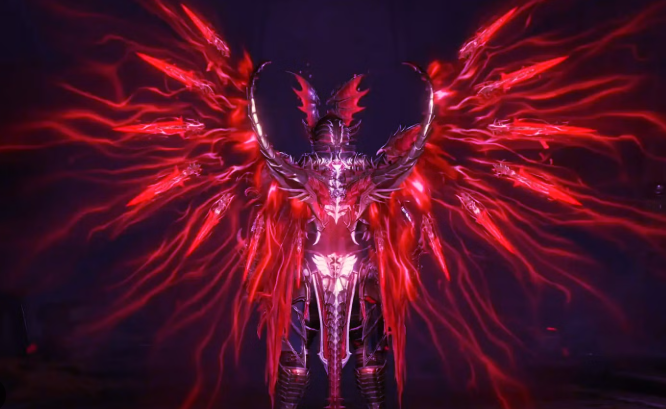
The biggest gameplay innovation of Season 10 is Chaos Armor, a radical twist on Unique Diablo 4 Items. These items don’t just improve stats-they redefine builds.

What sets them apart:

·Slot-shifting loot: A Unique normally found in one slot may drop in another.

·Always-maximized aspects: No need to reroll for perfect rolls.

·At least one Greater Affix, ensuring strong endgame viability.

For example, Fists of Fate, traditionally a glove Unique, might drop as a helm in Chaos Armor form. That means you could wear both Fists of Fate and another Unique glove simultaneously, unlocking new, powerful synergies.

Chaos Armor primarily drops from Bartuc, with higher Torment tiers offering the best odds. For min-maxers and theorycrafters, this system opens up endless new possibilities.

Chaos Rifts and Rift-Infused Dungeons

Scattered across Sanctuary, Chaos Rifts represent the raw corruption of the Burning Hells spilling into the mortal realm. They appear during Helltide events and inside Nightmare Dungeons, transforming ordinary content into high-stakes challenges.

Why Chaos Rifts matter:

·Closing them grants seasonal reputation, loot, and experience.

·Rare Mythical Chaos Rifts can spawn in higher Torments, dropping the best gear of the season.

·Rift-infused Nightmare Dungeons reward Fleeting Horde Compasses, adding variety to farming loops.

For efficient farming, having the right loadout is key. Many players choose to buy Diablo IV Items or stockpile cheap Diablo 4 materials ahead of time to ensure smooth Rift clears and maximize loot per hour.

Why Season of Infernal Chaos Matters

Blizzard has experimented with unique mechanics in past seasons, but Infernal Chaos feels like the most ambitious update yet.

·For lore fans: It expands on the Mage Clan Wars, giving more depth to the Viz-Jaq’taar and setting up Mephisto’s rising role.

·For min-maxers: Chaos Armor revolutionizes gearing and introduces endless build diversity.

·For endgame grinders: Chaos Waves and Rift-infused dungeons provide challenging, loot-rich activities.

·For casual players: Fleeting Hordes and Chaos Rifts make seasonal content approachable without sacrificing rewards.

The combination of nostalgia (the Fell Council), innovation (Chaos Armor), and high-stakes combat (Bartuc) makes this one of the most defining Diablo 4 seasons to date.

Final Thoughts

The Season of Infernal Chaos launches September 23, 2025, and promises to reshape how players approach Diablo 4. With Bartuc commanding the battlefield, the Fell Council scheming in the shadows, and Chaos Armor unlocking new builds, this is a season no player will want to miss.

Now is the time to prepare your builds, refine strategies for Infernal Hordes, and gather the right Diablo 4 Items to give yourself every possible advantage. Chaos is coming-will you rise to meet it?

Diablo 4 Season 10:The Five Biggest Nerfs Changing Sanctuary

Season 10 of Diablo IV is shaping up to be one of the game most dramatic shake-ups yet. Patch 2.4.0 introduces Chaos Perks, redesigned unique items, and sweeping balance updates that promise to rewrite the endgame experience. The meta that carried Season 9 won’t survive untouched, and several long-standing powerhouse builds are being pushed out of the spotlight.

Here’s a breakdown of the five biggest nerfs coming in Season 10-and what they mean for players braving the new era of Chaos.

Hydra Sorcerer

Few builds defined Season 9 like the Hydra Sorcerer, which erased entire screens thanks to mana-driven scaling. That dominance didn’t sit well with Blizzard.

Change:Serpentine Aspect scaling has been reduced from 0.5–1.5% per mana to 0.3–0.5%.

Result:A steep hit to raw damage, even when paired with the Hydra–Firewall combo via Mana Infused Conjurations.

Hydras remain playable, but their days as the uncontested kings of AoE are over. Positioning and rotation now matter far more than before.MMOexp delivers Diablo 4 gold directly to your vault quickly, securely, and affordably.

Twisting Blades Rogue

The iconic Rogue build continues to be trimmed back.

Change:Impale damage dropped from 70% → 30%, and Return damage cut from 112% → 70%.

Result:Still fun in casual play, but weaker in high Pit tiers compared to Penetrating Shot or poison hybrids.

Once the hallmark of Rogue identity, Twisting Blades is now “decent but not optimal.”

Poison Pulverize Druid

This build thrived in Season 9, fueled by Horadric Spells and an unintended Fleshrender double-dip interaction. Blizzard has closed that loophole.

Change:Double-dipping fixed, and Poison damage scaling tuned down.

Result:Less explosive than before, though still serviceable for players who enjoy steady ticking damage.

Poison Pulverize moves from meta-breaking to balanced, which is ultimately better for the game health.

Corpse Explosion Necromancer

Despite buffs elsewhere, Corpse Explosion finds itself lagging behind in Season 10.

Problem:Its damage scaling is underwhelming, and Chaos Perks don’t bridge the gap.

Result:Only works when tied to Shadow Blight setups-but those are outright stronger as standalone builds.Get your buy Diablo IV Items from MMOexp and conquer Sanctuary with ease.

What was once a Necro staple has now become a niche tool at best.

Whirlwind Barbarian

The legendary spin-to-win playstyle finally loses its edge.

Change:Dust Devil damage has been improved, but Whirlwind still can’t keep pace with Bleed or Hammer Barbarians.

Result:Fine for speed-clearing lower dungeons, but not a contender for high-end progression.

For veteran Barbs, this feels like the end of an era-though the newly empowered Bleed archetype offers a fresh path forward.

Season 10 Bigger Picture

Blizzard balancing strategy is clear:topple the giants, lift the underdogs, and refresh the sandbox. Chaos Perks and reworked uniques open up new synergies, making Season 10 the most unpredictable environment in recent memory.

Winners:Druids and Necromancers rise, with Fleshrender, Ravens, Shadow Blight, and Eagle Spiritborn dominating the endgame.

Losers:Sorcerers, Rogues, and Barbarians lose some of their most iconic playstyles, but gain incentive to experiment with fresh approaches.

If you’re returning for Season 10, don’t expect your old Season 9 favorites to carry you. Sanctuary has changed-the new meta is chaotic, volatile, and, for many players, more exciting than ever.

Diablo 4: How to Unlock the Dark Citadel

Diablo 4 immerses players into the dark and foreboding world of Sanctuary, filled with dangers, ancient evil forces, and relentless quests that keep players on edge. Among the most mysterious and feared locations in the game is the Dark Citadel, a stronghold that symbolizes the growing influence of the Prime Evils and the forces of Hell. Unlocking this area is no easy feat and requires players to navigate through various challenges, quests, and events to access its intimidating halls.

The Dark Citadel is integral to the game’s lore, representing one of the major hubs of dark energy and a key location in the battle against Lilith, the Mother of Sanctuary, and her demonic armies. In this article, we will guide you step-by-step on how to unlock the Dark Citadel in Diablo 4 Gold, covering key objectives, recommended levels, quests, and strategies for progressing through this ominous landmark.

What is the Dark Citadel in Diablo 4?

Before diving into the process of unlocking the Dark Citadel, it’s essential to understand its significance in the Diablo 4 storyline. The Dark Citadel is a fortress of immense power, originally built by the Triune Cult, which is linked to the demonic influences in Sanctuary. Over time, the citadel has become a bastion for Lilith’s forces, serving as a stronghold for her minions, particularly the Demon Lords and Corrupted Cultists that threaten to overrun Sanctuary.

The citadel itself is a maze-like structure, full of traps, demonic creatures, and hidden mysteries. Unlocking it will not only grant players access to powerful loot but also advance the story, bringing you closer to your final confrontation with the forces of evil that threaten the world.

Requirements for Unlocking the Dark Citadel

Unlike many areas in Diablo 4, unlocking the Dark Citadel involves more than just wandering into a new zone. It’s tied to specific progression in the game, including quest completion, character level, and the defeat of key enemies. Here are the requirements you must fulfill to unlock the Dark Citadel:

1. Progress Through the Main Storyline

The Dark Citadel is not an area you can simply stumble upon early in the game. You will need to progress through the main story quests first. These quests will introduce you to the larger conflict between the forces of light and darkness, and your involvement in this battle will gradually lead you to the Citadel.

In Diablo 4, the story is divided into different Acts, each focusing on a different region of Sanctuary and a unique set of challenges. The journey to unlocking the Dark Citadel primarily occurs during Act 4, when the game begins to explore the Cult of the Triune, the demonic worshipers who have transformed the Dark Citadel into a place of pure evil.

To unlock the Citadel, you must first complete the storyline that leads you through the Hawezar region and confront the growing power of Lilith’s forces. Progressing through the main story will naturally guide you to key events, which will eventually point you toward the Citadel as your next objective.

2. Reach Level 40+

As with many end-game locations in Diablo 4, the Dark Citadel requires a certain level of preparation, and the area is intended for players around level 40-45. By the time you reach this level, you should have honed your skills and built up your character’s abilities. You’ll also need to have access to some higher-tier gear and consumables.

While the Citadel is not necessarily locked behind a strict level requirement, approaching it at a level lower than 40 may leave you severely underpowered. The enemies inside the Dark Citadel are powerful, and you’ll want to be adequately equipped to face the challenges ahead.

3. Defeat the Triune Cult Leaders

One of the critical elements of unlocking the Dark Citadel is defeating the Triune Cult Leaders, who are key antagonists in Diablo 4’s Act 4. These leaders are responsible for the demonic corruption inside the citadel and have been channeling Lilith’s dark magic to fuel their power.

In order to open the Dark Citadel, you’ll need to confront and defeat at least three Triune Cult Leaders who have been terrorizing the area. These battles require high strategic thinking, as each of the cult leaders uses different abilities tied to demonic magic, and they are usually surrounded by hordes of loyal cultists and dangerous creatures.

4. Complete the Dark Citadel Precursor Quest

Once you’ve completed the major story quests leading up to the Dark Citadel, you will unlock a precursor quest that directly leads you to the citadel. This is where the Dark Citadel officially becomes accessible to players.

The precursor quest, titled “The Gateway to Darkness,” will be offered by a major NPC who will explain the situation and lead you toward the citadel’s gates. You will have to venture into the Cursed Forest and gather key artifacts related to the Triune’s dark magic. This quest acts as a preparatory mission, ensuring that players have the tools necessary to take on the challenges of the citadel.

Step-by-Step Walkthrough: How to Unlock the Dark Citadel

Now that we’ve covered the prerequisites, let’s walk through the exact steps you’ll need to take to unlock the Dark Citadel and enter this critical location.

Step 1: Progress Through the Storyline in Hawezar

The Dark Citadel is tied to the Hawezar region, which you’ll first encounter after progressing through earlier acts in the story. The narrative will direct you to Hawezar during Act 4, where you’ll encounter Lilith’s forces, the Triune Cult, and the Corrupted Guardians.

As you progress through the story, you will learn about the Triune Cult’s influence in the region and the growing corruption that plagues the area. Eventually, you will be tasked with investigating the corrupted citadel, where you’ll learn of the cult’s darker rituals.

Step 2: Defeat Triune Cult Leaders and Unlock the Dark Citadel

Once you’re in Hawezar, you will need to confront several Triune Cult Leaders. These cultists are powerful demonic figures whose actions have brought about the corruption of the citadel and its surroundings. You will encounter these leaders as part of the main questline, and defeating them is necessary to progress toward unlocking the citadel.

The cult leaders will challenge you with powerful magic and armies of cultists. Ensure that you’re properly leveled and have the right equipment to take on these foes.

Once you’ve defeated the Triune Cult Leaders, you’ll gain access to a ritual stone or key artifact, which is essential for unlocking the citadel. This artifact is used to breach the entrance and break through the protective barriers surrounding the Dark Citadel.

Step 3: Complete the Gateway to Darkness Quest

The Gateway to Darkness quest is the final step before you can enter the Dark Citadel. This quest will require you to venture into Cursed Forest and retrieve artifacts that relate to the Triune’s rituals. Along the way, you will battle demonic foes and solve environmental puzzles to advance.

Once you’ve completed the Gateway to Darkness quest and acquired the necessary artifacts, return to the Dark Citadel’s entrance. Use the artifact to break the magical seal that has kept the citadel closed to most adventurers. Once the seal is broken, you will gain access to the citadel.

What to Expect Inside the Dark Citadel

Upon entering the Dark Citadel, you will find yourself in a grim and twisted environment. The citadel’s architecture is dominated by demonic statues, corrupted magic, and oppressive darkness. Inside, you’ll encounter various enemies, including Demon Lords, Cultists, and Corrupted Creatures.

Here are a few key features to expect:

Mini-Boss Fights: The citadel is filled with mini-bosses that will require you to use advanced strategies to defeat.

Dark Rituals: You will encounter various dark rituals that summon demonic forces. These rituals are crucial to the citadel’s power and must be interrupted or destroyed to prevent Lilith’s forces from growing stronger.

Ancient Relics: The citadel holds Ancient Relics that can improve your character’s stats and grant you powerful gear and items.

Final Boss: At the heart of the citadel, you’ll encounter the Final Demon Lord, a massive creature that commands the citadel’s power. Defeating this demon lord will bring you closer to ending Lilith’s influence over the region.

Conclusion

Unlocking the Dark Citadel in cheap Diablo 4 materials is a significant milestone in the game’s storyline, as it represents the next step in the battle against Lilith and the forces of Hell. The journey to unlock this area is filled with challenges, from defeating Triune Cult Leaders to completing precursor quests, but the rewards are well worth the effort.

Once inside the citadel, players will face some of the toughest battles yet, testing their skill, strategy, and understanding of Diablo 4’s mechanics. With high-level enemies, intricate puzzles, and powerful rewards, the Dark Citadel is a crucial location that propels players toward the game’s climactic confrontations with the forces of darkness.

Good luck, adventurer. The fate of Sanctuary rests in your hands!

Defend Nahantu with new legendary and unique items

Specially crafted legendary and unique items will be released along with the Soul Master. Each of the items below illustrates the different directions players can take building a genre. We can’t wait to see what genres everyone develops in the future.

mixed reinforcement paradigm  
Legendary items in this category favor a different playstyle for Soul Guardians. Each one enhances a specific combination of Guardians, further improving the player’s style. If the soul master wants to combine the strengths of Diablo 4 Gold different guardians, these are indispensable items.  

strength strengthening example  
Legendary items in the next category can enhance player skills. Using the same soul guardian’s soul skill gameplay, you can get substantial bonuses from such items.  

Example of secondary power  
The last type of legendary item for the Soul Master is very useful. You can mix and match multiple items to create the Buy Diablo 4 materials genre that suits you best.  

unique example  
Of course, there are also powerful unique items that can enhance the existing power of the soul master, making it an unrivaled extraordinary force in the jungle.