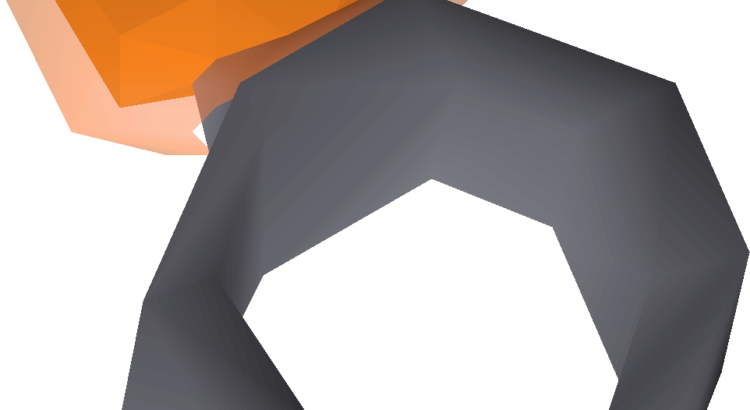
Complete Guide to the Ring of Suffering in OSRS

In Old School RuneScape (OSRS), few accessories offer the same combination of defense, utility, and convenience as the Ring of Suffering. Designed primarily for defensive setups, this powerful Zenyte ring is especially popular in high-level PvM encounters where survivability and passive damage matter. Boss fights such as Zulrah, God Wars Dungeon encounters, and certain Wilderness bosses become significantly easier when you have this ring equipped.

Because of its unique mechanics and impressive defensive bonuses, the Ring of Suffering has become one of the most widely used endgame rings in OSRS. Whether you plan to craft it yourself or use accumulated OSRS gold to purchase it, understanding the full process of obtaining and upgrading this ring will help you make the most of it.

What Makes the Ring of Suffering So Powerful?

The Ring of Suffering is one of the four Zenyte jewelry items in the game. These items are considered some of the strongest accessories available due to their powerful bonuses and usefulness in PvM content.

The Ring of Suffering provides several key benefits:

·+10 to all defensive stats

·+4 Prayer bonus

·Ability to store recoil charges

·Automatic damage reflection when charged

Its upgraded version, the Ring of Suffering (i), is particularly valuable. This imbued variant doubles the defensive bonuses of the ring, making it an excellent choice for tank roles and extended boss fights.

The ring also eliminates the need to constantly replace Rings of Recoil. Instead of breaking after reflecting damage, the Ring of Suffering stores charges internally, making it far more efficient for long PvM trips.

Step 1: Complete Monkey Madness II

Before you can craft the Ring of Suffering, you must complete the Grandmaster quest Monkey Madness II. This quest is a major milestone in OSRS progression and unlocks access to Demonic Gorillas, which are the primary source of Zenyte shards.

Monkey Madness II has several demanding requirements, including high combat stats and completion of multiple prerequisite quests. The quest itself involves challenging battles and mechanics, so bringing strong gear and supplies is highly recommended.

Completing this quest is essential not only for crafting Zenyte jewelry but also for accessing one of the most profitable monster farming methods in the game.

Step 2: Obtain a Zenyte Shard

The most important component required to craft the Ring of Suffering is the Zenyte shard. These shards are dropped by Demonic Gorillas, which become accessible after finishing Monkey Madness II.

However, Zenyte shards are relatively rare drops, meaning you may need to defeat many gorillas before obtaining one. Efficient combat setups with serious damage output can significantly improve your farming speed.

For players who prefer to skip the grind, another option is purchasing a Zenyte shard directly from the Grand Exchange using accumulated OSRS gold. Many players earn gold through bossing, skilling, or flipping items before choosing to buy OSRS items like Zenyte shards to save time.

Step 3: Craft a Zenyte Ring

Once you have obtained a Zenyte shard, the next step is crafting the base Zenyte ring.

To create it, you will need:

·1 Zenyte shard

·1 Gold bar

·A furnace

·89 Crafting (or 87 with a +2 boost)

Simply use the Zenyte shard on a furnace while carrying a gold bar to create the unenchanted Zenyte ring.

If you do not have the required Crafting level, you can temporarily boost using a Spicy Stew, although this method is somewhat unreliable due to its random stat boosts. Alternatively, some players ask trusted friends or clan members to craft the ring for them.

Crafting Zenyte jewelry can be expensive, which is why many players gather additional OSRS gold before starting the process.

Step 4: Enchant the Zenyte Ring

After crafting the Zenyte ring, the next step is enchanting it into the Ring of Suffering.

This requires:

·Level 93 Magic

·Enchant Level 7 Jewelry spell

·20 Soul runes

·20 Blood runes

·1 Cosmic rune

Casting the enchantment spell on the Zenyte ring will transform it into the Ring of Suffering.

Training Magic to level 93 can be time-consuming, but methods such as bursting Slayer tasks, high-level alchemy, and combat training can speed up the process. Many players also invest their OSRS gold into efficient Magic training methods to reach this requirement faster.

Step 5: Charge the Ring of Suffering

The Ring of Suffering must be charged with Rings of Recoil to activate its damage reflection ability.

Each Ring of Recoil provides 40 recoil charges, and the Ring of Suffering can store up to 100,000 charges, equivalent to 2,500 Rings of Recoil.

Charging the ring is simple:

1. Right-click the Ring of Suffering

2. Select “Check.”

3. Use Rings of Recoil on the ring

Once charged, the ring automatically reflects damage without breaking. This feature makes it extremely useful for long bossing sessions where inventory space and supply management are critical.

Optional Step: Imbue the Ring

To unlock the full potential of the ring, most players choose to imbue it, creating the Ring of Suffering (i).

Imbuing doubles the ring’s defensive bonuses and significantly increases its overall effectiveness.

You can imbue the ring through two main activities:

·Nightmare Zone

·Soul Wars

Nightmare Zone is generally considered the more AFK-friendly option, while Soul Wars can provide faster points depending on your playstyle.

Best Situations to Use the Ring of Suffering

The Ring of Suffering shines in situations where defense and recoil damage are valuable. It is commonly used in activities such as:

·Zulrah boss fights

·God Wars Dungeon tank roles

·Wilderness bossing

·Extended PvM encounters

Because it stores recoil charges internally, the ring greatly reduces inventory clutter while providing consistent passive damage.

Many players consider it one of the most practical defensive accessories in the game, especially when combined with other high-end gear.

Is the Ring of Suffering Worth the Investment?

The Ring of Suffering is typically one of the more expensive Zenyte jewelry pieces. Farming Demonic Gorillas, leveling Crafting and Magic, and acquiring recoil rings can require significant time and resources.

For players with limited time, building up OSRS gold through bossing, skilling, or trading can be the fastest way to obtain the necessary materials. Some players even choose to buy OSRS items like Zenyte shards directly from the Grand Exchange to speed up their progression.

Despite the upfront cost, the ring quickly pays for itself through improved survivability, reduced supply usage, and greater efficiency during boss fights.

Final Thoughts

Obtaining the Ring of Suffering in Old School RuneScape requires dedication and planning. From completing Monkey Madness II to farming a Zenyte shard, crafting the ring, enchanting it, and charging it properly, the process involves several steps.

However, the reward is well worth the effort. With its exceptional defensive bonuses, built-in recoil storage, and strong synergy with high-level PvM content, the Ring of Suffering remains one of the most valuable accessories in the game.

If you are serious about tackling bosses like Zulrah or taking on challenging PvM content, the Ring of Suffering is an item that deserves a place in your gear setup.
Old School RuneScape: How To Kill Vorkath

Vorkath is one of the most formidable bosses in Old School RuneScape (OSRS), known for its high damage output, challenging mechanics, and rewarding loot. As a high-level PvM (Player vs. Monster) boss, Vorkath is a rite of passage for many players, often considered a key milestone in an OSRS player’s journey. If you’re aiming to defeat Vorkath, whether for profit, achievement, or progression, you’re in the right place. In this guide, we’ll break down everything you need to know about how to kill Vorkath in OSRS.

Understanding Vorkath

Vorkath is a dragon-like creature located in the Vorkath’s Lair, a location accessible via the Kourend region, specifically in the Zeah area. It is a challenging boss with several unique mechanics, and while it may seem daunting at first, with the right preparation and strategy, you can defeat Vorkath with ease.

Vorkath drops a variety of OSRS gold, including the Vorkath’s head, which is required to obtain the Dragon Slayer II quest reward, and other valuable drops like blue dragonhide, coins, herb boxes, and dragon bones. For many players, this makes Vorkath a lucrative boss to kill, alongside the challenge it presents.

Requirements to Fight Vorkath

Before taking on Vorkath, you’ll need to meet several requirements:

Completion of Dragon Slayer II – This is essential as it grants access to Vorkath’s lair.

High Combat Stats – You should have strong combat stats, with the following as a guideline:

70 Ranged (to use high-tier ranged weapons effectively).

70 Defence (to withstand hits from Vorkath).

70 Prayer (to use Protection Prayers and other prayers).

70 Hitpoints (for survivability).

Good gear – You need high-level gear suited for damage dealing and tanking Vorkath’s hits.

Recommended inventory – Potions, food, and other essentials are necessary for a successful kill.

How to Get to Vorkath

To get to Vorkath, you must first complete the Dragon Slayer II quest. After completing the quest, you can enter the lair by using a shortcut in the Zeah region, which is accessible by the Kourend Castle.

The entrance is located in the Vorkath’s lair after passing through a cave. To reach this, you will need to use a Kourend teleport or travel by boat from Port Piscarilius.

Once you’re in the lair, you will face Vorkath in the center of the area.

Recommended Gear Setup

Since Vorkath is a high-level boss, you’ll want to bring the best gear possible. Your gear should be focused on maximizing damage, survival, and defense. Here’s a recommended setup for both Ranged and Melee combat:

Ranged Setup (most common)

Ranged is the most effective combat style to use when fighting Vorkath because of its high accuracy and powerful special attacks. Here’s a suggested gear setup:

Weapon: Blowpipe (Toxic) or Armadyl Crossbow with Ranging Ammo (e.g., Rune arrows or Amethyst darts).

Helmet: Karil’s crossbow or Armadyl helmet (preferably Karil’s crossbow for higher DPS).

Body: Karil’s crossbow (again, for the powerful range bonus).

Legs: Karil’s crossbow or Armadyl.

Boots: Pegasian boots (excellent for boosting your Ranged damage).

Gloves: Barrows gloves (best all-around).

Cape: Ava’s device or Fire cape for better defense.

Amulet: Amulet of the void for boosting your stats.

Understanding Vorkath’s Attack Patterns

Vorkath has several attacks that require quick thinking and understanding of its attack patterns. Below are some of the key attack methods Vorkath uses:

Regular Ranged Attacks – Vorkath uses a standard ranged attack in which he shoots a blue projectile. The damage from this attack can be mitigated by using Protect from Missiles (Ranged prayer) or by standing behind cover.

Fireball Attack – Vorkath will occasionally charge a large green fireball. If this fireball hits you directly, it will deal massive damage. You must avoid this by moving out of the way. This attack can be telegraphed as Vorkath will charge up for a moment before launching the attack.

Poison Attacks – Vorkath will also occasionally shoot a poison-based attack. The damage over time from poison can be substantial, but it can be cured with Antipoison potions or Serum potions.

ZGS Special Attack – This attack involves Vorkath using a special red line, attempting to hit you directly with a massive attack. You should always Pray for protection at this stage.

Fighting Strategy: How to Kill Vorkath

To kill Vorkath efficiently, you must carefully manage the boss’s mechanics. Here is the recommended strategy:

Start with Prayer: Use the Protect from Missiles prayer to reduce the damage from Vorkath’s ranged attacks.

Stand Behind Obstacles: Vorkath will often fire projectiles at you. To avoid these attacks, stand behind obstacles located in the lair. Use these obstacles to shield yourself from incoming projectiles.

Avoid Fireball Attacks: When Vorkath charges up a green fireball, immediately move away from the targeted area to dodge the attack. If hit, the fireball will deal substantial damage, so avoiding this attack is critical.

Use the Right Potions: Bring a combination of Prayer potions, Super restore potions, Antipoison, and Serum potions to deal with poison and ensure that you can keep up your combat stats throughout the fight.

Be Mindful of Poison: Vorkath uses poison-based attacks, which deal significant damage over time. Ensure you have Antipoison potions to keep yourself safe from this damage. When poisoned, your health will constantly decrease until you use the antidote.

Use Melee (optional) – If you prefer, you can try using melee for a closer combat approach. However, Ranged is generally preferred because it allows you to stay out of Vorkath’s range and avoid getting hit by dangerous attacks like fireballs.

Final Tips and Tricks

Food: Always bring plenty of high-healing food, such as Sharks or Karambwan. These will help keep you alive in case you take unexpected damage from Vorkath’s special attacks.

Practice the Mechanics: Vorkath can be difficult for new players, so it’s important to practice the attack patterns and get used to dodging the fireball attacks. Once you become familiar with the fight, you will have fewer close calls.

Efficient Movement: Always be moving during the fight. Staying in one spot will increase the risk of getting hit by Vorkath’s ranged or fireball attacks.

Potions: Don’t neglect your potions, as they are key to staying alive. Prayer potions will help you maintain your defensive prayers, and Super restore potions will keep your stats up during the battle.

Conclusion

Killing Vorkath in cheap RS gold can be a challenging yet rewarding experience. With the right gear, strategy, and preparation, you can take down this mighty boss and reap the rewards of its valuable drops. Remember to stay calm, avoid its deadly fireball attacks, and manage your resources wisely. As you gain more experience, Vorkath will become more manageable, and you’ll be able to kill him more efficiently. Whether you’re after loot, achievement, or simply the thrill of a tough boss fight, defeating Vorkath is an impressive accomplishment in OSRS.

Old School RuneScape: Beginner’s Guide – Tips & Tricks

Old School RuneScape (OSRS) is a classic MMORPG that has captured the hearts of millions with its nostalgic charm and deep gameplay. For new players, the game can seem daunting at first, with its vast world, intricate systems, and minimal hand-holding. But don’t worry—this guide will walk you through essential tips and tricks to help you start your journey in Gielinor.

From mastering the basics to understanding the economy and gameplay mechanics, this beginner’s guide is your ultimate companion for making the most out of your OSRS experience.

1. Complete the Tutorial Island

Your journey begins on Tutorial Island, where you’ll learn the basics of the game, such as movement, combat, and skilling. Pay attention to the instructions given by NPCs, as they will provide foundational knowledge about how OSRS gold works.

Key Points to Remember:

You’ll choose between Ironman, Hardcore Ironman, or standard accounts. Choose standard unless you’re ready for extra challenges.

Use this time to familiarize yourself with the user interface and controls.

2. Understand the Combat Triangle

OSRS employs a combat triangle that determines the strengths and weaknesses of different combat styles:

Melee beats Ranged.

Ranged beats Magic.

Magic beats Melee.

Tips:

Train all three combat styles to be versatile.

Start with melee combat, as it’s the easiest and cheapest to train early on.

Equip the best armor and weapons available for your level to increase combat efficiency.

3. Prioritize Key Quests

Quests in OSRS provide experience, unlock new areas, and grant valuable rewards. For beginners, completing the right quests can give you a significant head start.

Recommended Quests:

Cook’s Assistant: Unlocks the ability to bake your first pie.

The Knight’s Sword: Provides a large Smithing XP boost.

Waterfall Quest: Grants a huge boost to Attack and Strength.

Vampyre Slayer: Gives a strong boost to Attack.

Tree Gnome Village: Grants Attack XP and unlocks a transportation network.

Tips:

Use quest guides from the OSRS Wiki to make quests easier to navigate.

Focus on quests that provide early-game XP rewards in skills you want to train.

4. Train Essential Skills

In OSRS, there are a variety of skills to train, categorized into Combat, Gathering, and Artisan skills. As a beginner, focus on skills that offer utility and open up new opportunities.

Recommended Skills:

Fishing and Cooking: Provide a reliable source of food for combat.

Mining and Smithing: Allow you to create your own armor and weapons.

Woodcutting and Firemaking: Easy to train and essential for quests like Wintertodt (members only).

Prayer: Provides combat buffs. Train by burying bones dropped by enemies.

Tips:

Train multiple skills simultaneously to keep the gameplay engaging.

Use free-to-play (F2P) training methods unless you’re a member.

5. Make Use of the Grand Exchange

The Grand Exchange (GE) is OSRS’s central marketplace, where players buy and sell items. It’s located in Varrock and becomes available after completing a short tutorial.

How to Use the GE:

Sell items you don’t need, such as monster drops or skilling products.

Buy better gear and supplies to make combat and skilling more efficient.

Tips:

Check the market prices of items to avoid overpaying or underselling.

Use the GE to stock up on essential items like food, runes, or tools.

6. Money-Making for Beginners

Earning gold is crucial in OSRS, as it allows you to buy better equipment and supplies. As a beginner, focus on simple money-making methods that don’t require high skill levels.

Early Money-Making Methods:

Killing Chickens or Cows: Collect feathers, raw meat, or cowhides and sell them at the GE.

Mining Clay: Clay sells well and is easy to mine.

Fishing Shrimp or Lobsters: Fish and sell them for profit.

Collecting Runes or Bones: Dropped by enemies like goblins or hill giants.

Tips:

Prioritize gathering materials with consistent demand in the GE.

Avoid gambling with risky methods like staking in the Duel Arena early on.

7. Explore Transportation Options

OSRS features a variety of transportation methods to navigate the vast world of Gielinor. Learning these methods will save you time and improve efficiency.

Basic Transportation Options:

Lumbridge Home Teleport: Free spell to teleport to Lumbridge.

Varrock, Falador, and Lumbridge Teleports: Unlocked via Magic training.

Spirit Trees (Members): Accessible after completing certain quests like Tree Gnome Village.

Amulets of Glory and Rings of Dueling: Teleport items available in the GE.

Tips:

Unlock as many teleport locations as possible for faster travel.

Use energy-restoring items like stamina potions to reduce downtime.

8. Join the Community

One of OSRS’s greatest strengths is its active and friendly community. Interacting with other players can make your experience more enjoyable and provide valuable tips.

How to Get Involved:

Join a Clan Chat: Find a community of like-minded players to share advice and group activities.

Participate in Events: Seasonal events offer unique rewards and fun experiences.

Ask for Help: Most players are happy to assist beginners with questions or guidance.

Tips:

Use the official OSRS forums or subreddit to find clans and tips.

Avoid scams by being cautious when trading with other players.

9. Learn How to Stay Safe

Since OSRS has a player-driven economy and competitive elements, there’s always a risk of scams or being lured into dangerous situations.

Safety Tips:

Never share your account details with anyone.

Avoid trading in suspicious circumstances or accepting “too good to be true” offers.

Familiarize yourself with PvP mechanics to avoid getting lured into dangerous areas.

10. Upgrade to Membership (Optional)

While OSRS is free to play, becoming a member unlocks additional skills, quests, areas, and items. Membership greatly expands the game’s content and allows for more efficient training methods.

Benefits of Membership:

Access to exclusive skills like Agility, Thieving, and Farming.

Explore new areas like Zeah, Morytania, and Fossil Island.

Train using member-exclusive methods like Blast Furnace and Wintertodt.

Tips:

Consider purchasing membership with in-game gold via Bonds.

Start with F2P content to ensure you enjoy the game before upgrading.

11. Set Long-Term Goals

OSRS is a game that rewards planning and persistence. As you progress, set goals to keep yourself motivated and focused.

Examples of Goals:

Achieving high levels in your favorite skills.

Earning enough gold to buy a rare item like a Dragon Scimitar.

Completing challenging quests like Monkey Madness or Desert Treasure.

Participating in boss fights or group activities like Raids.

Tips:

Break large goals into smaller, manageable tasks.

Don’t rush—enjoy the journey and explore the world of Gielinor.

12. Utilize Helpful Tools and Resources

Many third-party tools and resources can enhance your OSRS experience. These tools provide valuable information, such as quest guides, skill calculators, and price trackers.

Recommended Tools:

OSRS Wiki: Comprehensive resource for quests, skills, and game mechanics.

RuneLite: A third-party client with helpful plugins for training and efficiency.

Skill Calculators: Estimate the XP and materials needed to reach your goals.

Tips:

Stick to tools approved by Jagex to avoid account bans.

Experiment with plugins in RuneLite to optimize your gameplay.

Conclusion

Old School RuneScape is a rich and rewarding game that offers endless adventures for players willing to learn and explore. By following the tips and tricks in this guide, you’ll build a strong foundation for success and enjoy the game to its fullest. Remember to be patient, set achievable goals, and have fun as you embark on your journey through Gielinor.

Good luck, adventurer, and may your path be filled with glory and cheap RS gold!

RuneScape: Craft Your Own Story Through Roleplay

In the enchanting world of RuneScape, players are not just passive participants; they actively shape their own narratives within this vibrant MMORPG. One of the game’s most captivating features is the opportunity for roleplaying, allowing players to weave unique stories and immerse themselves in the rich lore of Gielinor.

At the heart of the RuneScape roleplaying experience is the ability to embody any character you wish. Whether you see yourself as a noble knight, a sly rogue, or a wise wizard, the character creation system empowers you to bring your imaginative persona to life. This self-expression extends beyond looks; your character’s backstory, traits, and motivations become the building blocks of a personalized adventure.

Roleplaying offers a chance to connect more deeply with the game world and its inhabitants. By stepping into your character’s shoes, you can engage in intricate quests, participate in meaningful conversations, and form authentic relationships with non-player characters (NPCs). This immersion turns routine activities, like questing, into memorable narrative-driven experiences..With RSgoldfast you can earn RuneScape gold in minutes!

Roleplaying encourages you to step outside your own experiences and explore diverse viewpoints. Adopting characters with distinct beliefs and motivations allows you to gain insights into the various factions, cultures, and social dynamics of Gielinor. This broader perspective enhances decision-making, as actions are considered for their impact on the game world, not just personal gain.

Creating a personal storyline through roleplay can be immensely rewarding. Begin by developing your character’s backstory and personality, considering elements such as race, class, and individual quirks. This groundwork paves the way for a journey of self-discovery, enabling you to navigate quests, form alliances, and confront challenges in alignment with your character’s identity.

A particularly appealing aspect of roleplaying in RuneScape is the opportunity for collaboration with other players. Teaming up with fellow adventurers allows you to engage in collective storytelling, intertwining your characters’ journeys for a shared experience. This collaboration can take the form of coordinated quests, roleplay events, or even the formation of player-driven guilds, each with unique objectives and philosophies.

As you delve deeper into RuneScape, the game’s extensive lore and history can captivate your imagination. Engaging with these narrative elements not only enhances your understanding of the overarching story but also inspires you to craft your own tales. This exploration can result in multi-faceted characters that seamlessly integrate into the broader RuneScape universe.Achieve your Runescape goals faster cheap RS gold with RSgoldfast.

In summary, the roleplaying experience in RuneScape offers players a unique opportunity to create their own personal narratives, forging deeper connections with the game world and its inhabitants. By embracing diverse perspectives and engaging in collaborative storytelling, you can cultivate a truly immersive and memorable gaming journey. Whether your character is a heroic champion, a cunning rogue, or a mysterious mage, the roleplaying adventure in RuneScape highlights the limitless potential of imagination and self-expression in the digital realm.