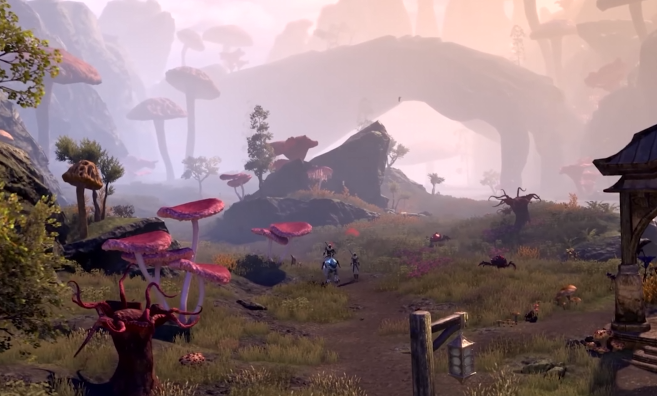
In a world where MMORPGs often fade into obscurity within a few years, The Elder Scrolls Online continues to defy the odds. It’s not just surviving – it’s evolving. As 2025 brings sweeping changes to its structure and content, ESO proves yet again that it’s still a serious contender in the MMO space. With the Seasons of the Worm Cult now live, there’s never been a better time to jump in – whether you’re a returning hero or a fresh-faced adventurer.
New and Shiny – Yet Still Familiar
For those of us who’ve cycled through games like World of Warcraft, Final Fantasy XIV, and ESO, there’s something comforting about the constant reinvention these titles go through. They’ve endured because they know how to evolve. In 2025, The Elder Scrolls Online has done just that – introducing a bold new business model, revamped early-game content, and a class customization system that breathes new life into combat and character progression.
Content, Costs, and Confusion
Historically, ESO followed the tried-and-true MMORPG model: a base game, a premium subscription (ESO Plus), a cash shop (Crown Store), and yearly DLCs. But in 2025, things shifted. Now, players can still purchase the base game, but they also have the option to buy different tiers of Content Passes, unlocking this year’s DLCs.
Sounds simple? Not quite.
The Premium Edition of the game includes the full 2025 Content Pass and all previous chapters, but not future content.
Meanwhile, ESO Plus subscribers still get access to the latest DLC, alongside perks like crafting bag space, XP boosts, and monthly crowns.
The base game is affordable – or free for Xbox Game Pass users – making it easy to try before you invest.
For new players, this tiered system might seem overwhelming, but for veterans, it provides a flexible way to pay for only what you want.
Subclasses: The Real Game Begins at 50
A major innovation in 2025 is the subclassing system, available once your character hits level 50. This new layer of customization allows players to build highly unique class combinations, tailored to solo play, PvP, group content, or roleplay.
Want a Templar who uses stealth and daggers? Or a Sorcerer with tanking capabilities? The subclassing system makes it possible – and pushes creative build-crafting to the forefront.
The Return to Coldharbour
Alongside gameplay innovations, 2025 also marks a return to ESO’s roots – specifically to Coldharbour, the original tutorial zone. The revamped introduction feels like a love letter to longtime players, while offering a modernized onboarding experience for new ones.
The Wailing Prison tutorial has been visually upgraded, streamlined, and better paced. It now delivers a compact introduction to combat mechanics, skill points, inventory management, and questing, all within an evocative, Daedra-infested setting. As before, this early content gives players a solid feel for ESO’s core gameplay.
Yet one thing remains unchanged: ESO’s combat and movement still feel fundamentally the same – a double-edged sword. Veterans will appreciate the familiarity. But newcomers expecting the fluidity of modern action RPGs might find it stiff or clunky. If the tutorial doesn’t hook them, they may not stick around long enough to experience the truly rewarding mid- and endgame.
Old Systems, Old Problems
While ESO has made big strides in content and quality-of-life improvements, some systems still feel outdated, especially the inventory and upgrade UI. Navigating menus, managing gear, or customizing spells still involves clunky layers of submenus. Add in reminders of the Crown Store at nearly every turn, and it’s easy to see how a new player could get overwhelmed.
The same applies to ESO’s complex magic and leveling systems. There’s a lot of depth, but it’s not always clearly explained. While most mistakes can be corrected later (for a cost), the early game experience could benefit from more handholding or smarter tutorials.
Action RPG Fans: Temper Expectations
If you’re coming to ESO from games like Elden Ring, Diablo IV, or Path of Exile, know this: ESO is an MMORPG first, action RPG second. That means combat, while functional and at times satisfying, doesn’t feel nearly as responsive or kinetic. Animations can be floaty, hit feedback soft, and enemy AI relatively simple.
The new subclassing options help deepen combat options and strategic play, but they don’t revolutionize the tactile feel of the game.
A Rich World for Solo and Group Players Alike
Despite some UI and combat clunkiness, ESO’s strengths remain in its worldbuilding, lore, and variety of content. Whether you’re:
Exploring expansive storylines solo,
Running challenging dungeons or trials with friends,
Or engaging in chaotic Alliance War PvP,
ESO has something for every playstyle.
The new content cadence – especially with the Season of the Worm Cult and modular DLC – provides plenty of ways to engage with the world without needing to commit to a subscription.
Conclusion: ESO Still Has It
In 2025, The Elder Scrolls Online remains relevant, rewarding, and refreshingly content-rich. While its monetization model has become more complex and its gameplay systems aren’t always beginner-friendly, it continues to offer one of the most compelling fantasy MMO experiences on the market.
If you’re diving back into The Elder Scrolls Online in 2025, having a little extra cheap ESO Gold can smooth your journey, especially with the updated crafting systems, gear upgrades, mount training, housing, and trading. Service MMOexp offers players a way to quickly acquire ESO Gold without grinding for hours, particularly useful for those who want to focus on story content, dungeons, or gearing up for PvP.